Premalignant Oral Disorders
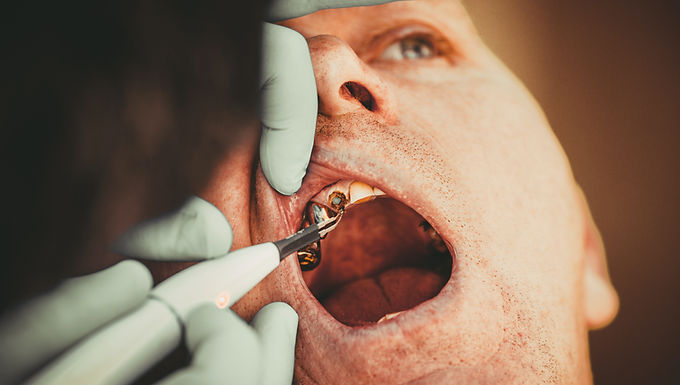
Premalignant oral disorder showing white and red patches on the inner cheek during clinical oral pathology examination
Premalignant Oral Disorders
Premalignant Oral Disorders
Premalignant oral disorders represent a group of oral conditions associated with an increased risk of developing oral cancer. These disorders often present with subtle clinical changes and may remain asymptomatic in early stages. Diagnostic evaluation through oral pathology is essential to identify these conditions early and assess their potential for malignant transformation.
Early recognition and structured monitoring play a key role in reducing disease progression and supporting timely clinical intervention.
What Are Premalignant Oral Disorders?
Premalignant oral disorders, also referred to as potentially malignant oral disorders, are conditions in which the oral tissues show abnormal changes that may progress to cancer over time. These changes occur at the cellular level and may not always be evident through routine dental examination alone.
Histopathological assessment helps determine the severity of tissue alteration and associated risk.
Why Early Diagnostic Evaluation Is Important
Premalignant conditions can remain stable for long periods or gradually progress without noticeable symptoms. Delayed diagnosis may allow malignant transformation to occur unnoticed.
Early diagnostic evaluation helps:
Identify high-risk oral lesions
Detect epithelial dysplasia at an early stage
Stratify patients based on cancer risk
Guide surveillance, biopsy, or referral decisions
Timely evaluation supports preventive care and long-term oral health monitoring.
Common Premalignant Oral Disorders
Oral pathology frequently evaluates the following premalignant conditions:
Oral submucous fibrosis (OSMF)
Leukoplakia
Erythroplakia
Oral lichen planus (selected types)
Actinic cheilitis
Each condition varies in clinical appearance, risk profile, and progression potential.
Clinical Evaluation Process
Premalignant oral disorder evaluation involves a systematic approach:
Detailed medical and habit history
Visual and tactile examination of oral tissues
Assessment of lesion duration, extent, and surface changes
Identification of functional limitations, if present
Recommendation for oral biopsy when indicated
Clinical findings guide further diagnostic and monitoring strategies.
Role of Oral Pathology
Oral pathology provides definitive diagnostic insight by correlating clinical findings with microscopic tissue analysis. Histopathological examination determines the presence and degree of dysplasia, which is critical for risk assessment and clinical decision-making.
This diagnostic clarity supports evidence-based follow-up and referral planning.
Premalignant Oral Disorder Services at Curavi Dental and Maxillofacial
Curavi Dental and Maxillofacial offers structured diagnostic evaluation for premalignant oral disorders using established oral pathology protocols. Assessments focus on early identification, accurate diagnosis, and continuity of care through appropriate monitoring or further diagnostic procedures.
When to Seek Evaluation
Any persistent oral patch, stiffness, discoloration, or mucosal change lasting more than two weeks should be professionally evaluated. Early diagnostic assessment of premalignant oral disorders supports timely intervention and improved clinical outcomes.
Schedule a diagnostic consultation to initiate appropriate oral pathology evaluation and guidance.